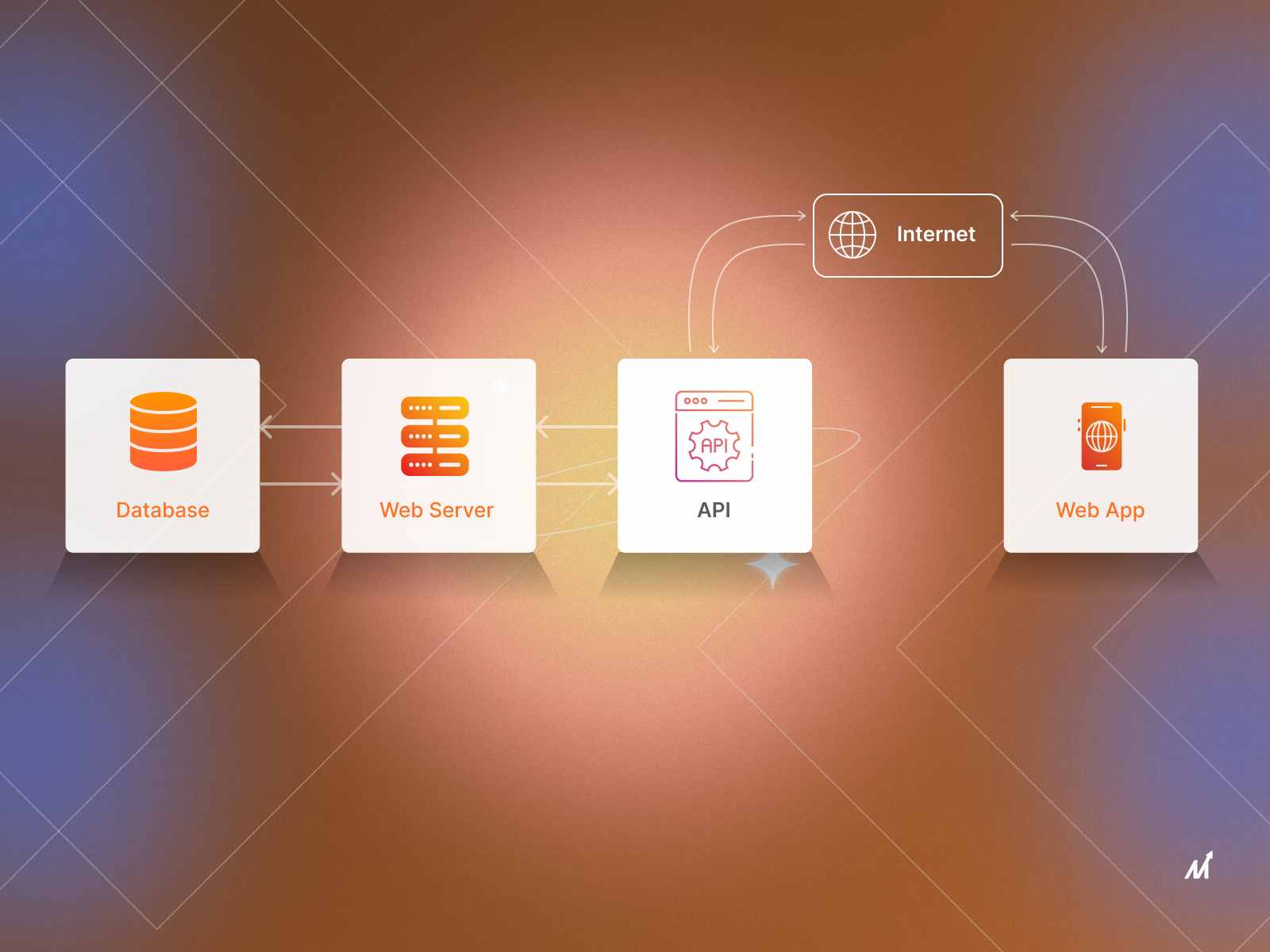
**Why API Development Is Reshaping Tech in the US—What You Need to Know** API development is quietly fueling much of today’s digital innovation across the United States. From powering seamless app integrations to enabling secure data exchanges between services, APIs have become the backbone of modern software ecosystems. As more organizations build connected solutions, demand for skilled API developers continues to grow—driven by trends in cloud computing, automation, and real-time data sharing. API development isn’t just a technical detail—it’s the bridge between systems that keeps digital enterprises agile and responsive. For businesses aiming to scale efficiently, APIs offer a flexible way to extend functionality without overhauling entire platforms. This shift supports faster innovation cycles, improved user experiences, and stronger integration across industries. ### Understanding how APIs work At its core, an API—Application Programming Interface—is a set of rules and protocols that allows different software applications to communicate. It acts like a digital messenger: exposing specific data or functions while securing access behind defined endpoints. Developers build APIs to enable selective data sharing, authentication, or service coordination between platforms. Whether it’s retrieving weather data, processing transactions, or syncing inventory, APIs automate interactions that once required manual effort or custom coding.
### Common Questions About API Development **1. What exactly is an API use case?** An API supports real-world functions like authenticating users, retrieving or submitting data, triggering workflows, or connecting devices. It enables apps to fetch updates, process forms, or initiate actions remotely—all without rewriting underlying systems. **2. How safe are APIs for user data?** Modern API development prioritizes security with encryption, authentication protocols like OAuth, rate limiting, and strict access controls. These measures help protect sensitive information and prevent unauthorized access. **3. What programming languages are used in API development?** Popular choices include RESTful standards using JavaScript (Node.js), Python, Java, and .NET frameworks. Each offers tools to build, deploy, and manage APIs efficiently across environments. **4. Can small businesses benefit from APIs?** Yes—APIs empower startups and SMBs to integrate third-party tools without heavy infrastructure investment. They reduce development time, enable feature-rich apps with minimal cost, and open opportunities for innovative service delivery. **5. How long does API development typically take?** Timelines vary based on scope—simple data integrations may launch in weeks, while complex enterprise systems with authentication, monitoring, and scalability can span months. Agile development helps manage expectations and deliver value incrementally. ### Real-World Opportunities and Considerations APIs unlock powerful use cases: from fintech platforms enabling instant payments, to healthcare networks sharing secure patient data, to retailers unifying inventory across sales channels. Yet, successful implementation requires careful planning—ensuring reliability, scalability, and proper documentation. Poorly designed APIs can lead to latency, security gaps, or integration challenges. Businesses must weigh the long-term benefits—such as faster time-to-market and improved system interoperability—against initial setup costs and ongoing maintenance. Understanding your technical capacity and defining clear objectives help avoid common pitfalls. ### Overcoming Misconceptions Many assume API development is only for large enterprises with specialized teams. In reality, modern API platforms and low-code tools democratize access, allowing small teams to build and manage APIs with minimal overhead. Others worry about vendor lock-in or complexity. However, open standards and modular architectures reduce these risks, offering flexibility and long-term control. Another myth is that APIs are only for developers—this is changing as API management platforms introduce intuitive dashboards, auto-generation features, and collaboration tools, making integration more accessible than ever. ### Who Benefits from API Development? API development supports diverse industries: - **Startups** leverage APIs to compete with established players using off-the-shelf services. - **Enterprises** build internal API networks to modernize legacy systems and support digital transformation. - **E-commerce** uses APIs to connect payment gateways, inventory, and customer platforms. - **Healthcare providers** integrate APIs to enhance data sharing while complying with privacy laws. - **Financial institutions** rely on secure APIs for real-time transactions, fraud detection, and regulatory reporting. Each use case demands tailored strategy—aligning technical design with business goals and user needs.
Many assume API development is only for large enterprises with specialized teams. In reality, modern API platforms and low-code tools democratize access, allowing small teams to build and manage APIs with minimal overhead. Others worry about vendor lock-in or complexity. However, open standards and modular architectures reduce these risks, offering flexibility and long-term control. Another myth is that APIs are only for developers—this is changing as API management platforms introduce intuitive dashboards, auto-generation features, and collaboration tools, making integration more accessible than ever. ### Who Benefits from API Development? API development supports diverse industries: - **Startups** leverage APIs to compete with established players using off-the-shelf services. - **Enterprises** build internal API networks to modernize legacy systems and support digital transformation. - **E-commerce** uses APIs to connect payment gateways, inventory, and customer platforms. - **Healthcare providers** integrate APIs to enhance data sharing while complying with privacy laws. - **Financial institutions** rely on secure APIs for real-time transactions, fraud detection, and regulatory reporting. Each use case demands tailored strategy—aligning technical design with business goals and user needs. ### Soft CTA: Stay Informed and Explore Options In an era where digital connectivity defines success, understanding API development opens doors to smarter, faster, and more integrated solutions. Whether you’re a small business seeking scalability or an organization modernizing workflows, taking the time to learn how APIs can drive value is a strategic step forward. Explore current tools, frameworks, and resources to begin integrating API capabilities into your plans—without pressure. Curiosity fuels progress, and knowledge builds confidence in shaping the digital future. APIs are more than code—they’re a pathway to innovation, efficiency, and opportunity across US markets. Stay informed, stay connected, and keep building what’s next.
### Soft CTA: Stay Informed and Explore Options In an era where digital connectivity defines success, understanding API development opens doors to smarter, faster, and more integrated solutions. Whether you’re a small business seeking scalability or an organization modernizing workflows, taking the time to learn how APIs can drive value is a strategic step forward. Explore current tools, frameworks, and resources to begin integrating API capabilities into your plans—without pressure. Curiosity fuels progress, and knowledge builds confidence in shaping the digital future. APIs are more than code—they’re a pathway to innovation, efficiency, and opportunity across US markets. Stay informed, stay connected, and keep building what’s next.
Zoro to unleash a power that will shake Hyrule to its core
This YT MP3 is Speaking Directly to Your Mind – You’ll Never Let It Go
How One Tiny Change Makes All the Difference in Land Measurement
